· Snark Labs · Research · 5 min read
BPC-157: Mechanism, Evidence, and Dosing Protocols
A science-first review of Body Protection Compound 157 — what the animal literature actually shows, what remains unproven in humans, and how researchers are using it.
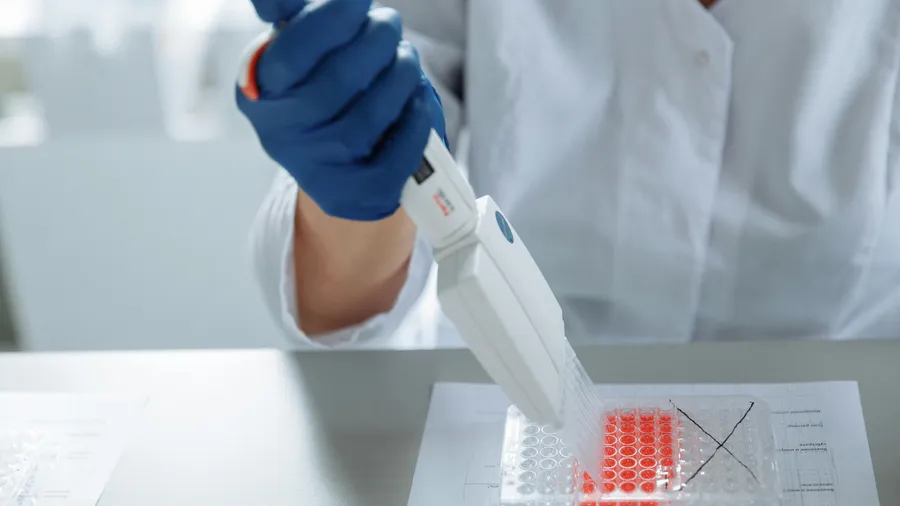
Research-grade BPC-157, third-party COA verified
Affiliate link — we earn a commission at no extra cost to you. Sold for research purposes only. Not for human consumption.
Research disclaimer: BPC-157 is sold for research purposes only and is not intended for human consumption. The information below is drawn from published scientific literature.
Evidence Tier
Animal studies — mostly rodent. No completed human RCTs.
BPC-157 has one of the deepest animal literature profiles of any research peptide. The lack of human trials is a real limitation, not a technicality. Be appropriately skeptical of anyone claiming certainty about human outcomes.
What Is BPC-157?
BPC-157 (Body Protection Compound 157) is a synthetic pentadecapeptide — 15 amino acids — derived from a protective protein found in human gastric juice. The sequence was isolated and studied extensively by Predrag Sikiric’s research group at the University of Zagreb, who account for the majority of the published literature.
It is stable in gastric acid, which makes oral administration pharmacologically plausible — unusual for peptides, which are typically degraded in the gut.
Mechanism of Action
BPC-157 does not act through a single clean receptor pathway. The evidence points to several overlapping mechanisms:
VEGF Upregulation (Primary)
The most consistently documented effect is upregulation of vascular endothelial growth factor (VEGF) and its receptor VEGFR2. This drives angiogenesis — the formation of new blood vessels — which accelerates tissue repair by restoring blood supply to injured areas. This is the likely basis for the tendon and ligament healing data.
Nitric Oxide System
BPC-157 modulates the nitric oxide (NO) pathway, influencing vasodilation and endothelial function. Some of the gut protective effects appear to run through NO signalling.
Growth Hormone Receptor Sensitisation
Evidence from rodent studies suggests BPC-157 may upregulate growth hormone receptor expression in tendon fibroblasts — not by raising GH itself, but by making existing GH more effective locally.
FAK-paxillin Pathway
In vitro work shows BPC-157 activates focal adhesion kinase (FAK) and paxillin, proteins involved in cell migration and wound closure. This may explain observed acceleration of wound healing independent of angiogenesis.
Dopaminergic and GABAergic Modulation
A subset of papers documents effects on dopamine and GABA systems — relevant to the neuroprotective and antidepressant-adjacent findings, though this area is less developed.
What the Evidence Actually Shows
Gut and GI Tract
The strongest and most replicated findings. BPC-157 consistently protects against:
- NSAID-induced gastric lesions (indomethacin, aspirin models)
- Inflammatory bowel disease models (TNBS-induced colitis)
- Short bowel syndrome (anastomosis healing)
- Alcohol-induced stomach damage
The peptide’s gastric origin gives this area biological plausibility. It likely evolved as part of the gut’s endogenous repair system.
Tendon and Ligament Healing
Well-replicated in rodent models. Studies show accelerated healing of:
- Achilles tendon transection
- Medial collateral ligament rupture
- Rotator cuff tears (rat models)
The mechanism here is primarily VEGF-driven angiogenesis restoring blood flow to avascular tendon tissue — the same mechanism that limits natural tendon healing.
Bone Healing
More limited data. Some studies show improved fracture healing and bone-to-tendon integration. The effect appears smaller than the tendon data.
Neurological
Several papers show:
- Accelerated recovery from traumatic brain injury (rat models)
- Reversal of dopaminergic lesions (6-OHDA model of Parkinson’s)
- Peripheral nerve regeneration after crush injury
The mechanism is less clear here. Both VEGF-driven vascularisation and direct effects on dopamine systems are proposed.
Cardiovascular
Protective effects on the heart after induced infarction in rats. Also documented: reversal of venous thrombosis and arteriovenous fistula healing. Some researchers consider BPC-157 a potential treatment for NO-system-related vascular conditions.
What Is Not Established
- Human efficacy — no RCTs. All human-relevant conclusions are extrapolated from animal models.
- Optimal human dosing — the animal doses that work don’t translate linearly to humans.
- Long-term safety — there is no chronic dosing safety data in humans.
- Bioavailability by route — oral bioavailability in humans has not been measured.
Dosing Protocols (Research Context)
The animal literature uses weight-adjusted dosing. Commonly cited research ranges for rats are 10 µg/kg to 10 mg/kg, with most positive results in the 1–10 µg/kg range.
Human researcher protocols that circulate — based on extrapolation, not clinical trials:
| Route | Typical Range | Notes |
|---|---|---|
| Subcutaneous injection | 200–500 µg/day | Most direct delivery, preferred for systemic use |
| Intramuscular injection | 200–500 µg/day | Used when targeting a specific muscle or nearby structure |
| Oral (capsule) | 500 µg–1 mg/day | Higher dose compensates for uncertain oral bioavailability |
Cycle length: Most researcher protocols run 4–6 weeks. There is no evidence-based answer on whether cycling is necessary.
Timing: Injection protocols are typically administered once daily, proximal to the target tissue where local effects are the goal.
Reconstitution
BPC-157 is supplied as a lyophilised powder. Standard reconstitution uses bacteriostatic water.
For a 5 mg vial reconstituted with 2 mL bacteriostatic water:
- Concentration: 2,500 µg/mL
- 250 µg dose = 0.1 mL = 10 units on a U-100 insulin syringe
Store reconstituted peptide refrigerated. Use within 30 days.
Forms: Acetate vs Free Acid
BPC-157 is sold as either the acetate salt or free acid form. The free acid is the native form found in gastric juice. The acetate form is more common in the research supply market. Published studies predominantly use the acetate salt. There is no clinical evidence that the free acid form is meaningfully superior despite what some vendors claim.
Summary
BPC-157 has one of the more compelling animal literature profiles among research peptides — particularly for gut protection and musculoskeletal repair. The VEGF-angiogenesis mechanism is biologically coherent and well-supported in rodent models. The gap between animal data and human evidence is real and should not be papered over. Anyone claiming proven human efficacy is overstating what exists.
For researchers tracking this space, the peptide merits attention. For anyone expecting clinical certainty, it is not there yet.
Research-grade BPC-157, third-party COA verified
Affiliate link — we earn a commission at no extra cost to you. Sold for research purposes only. Not for human consumption.